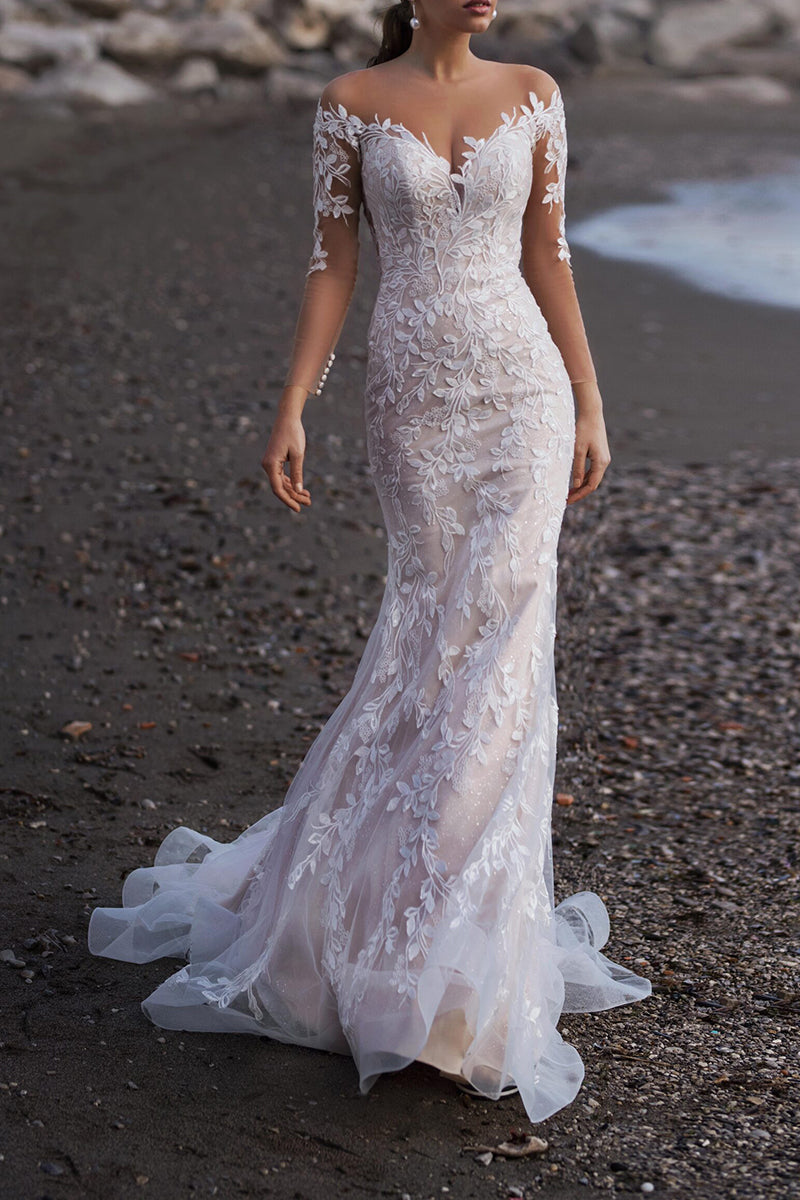
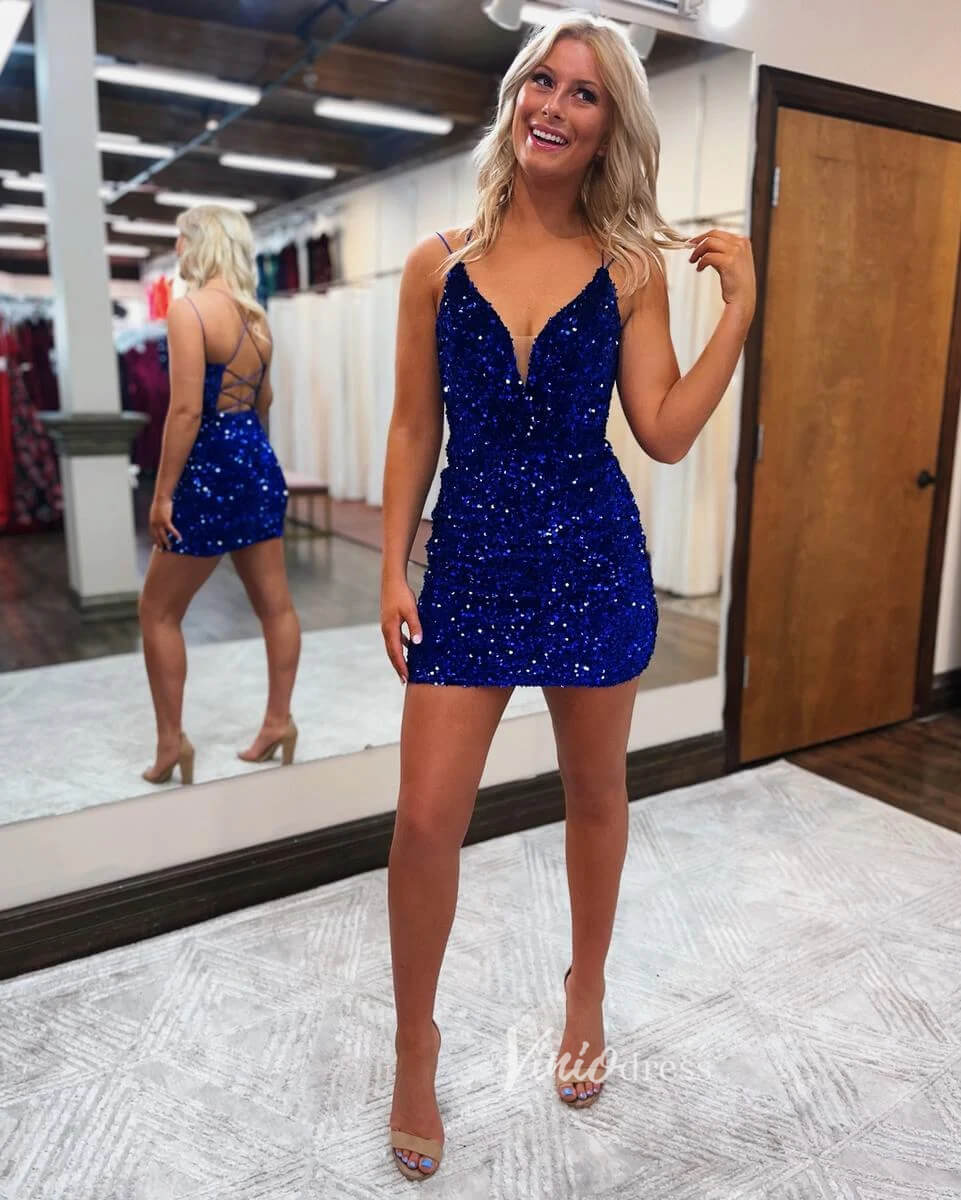
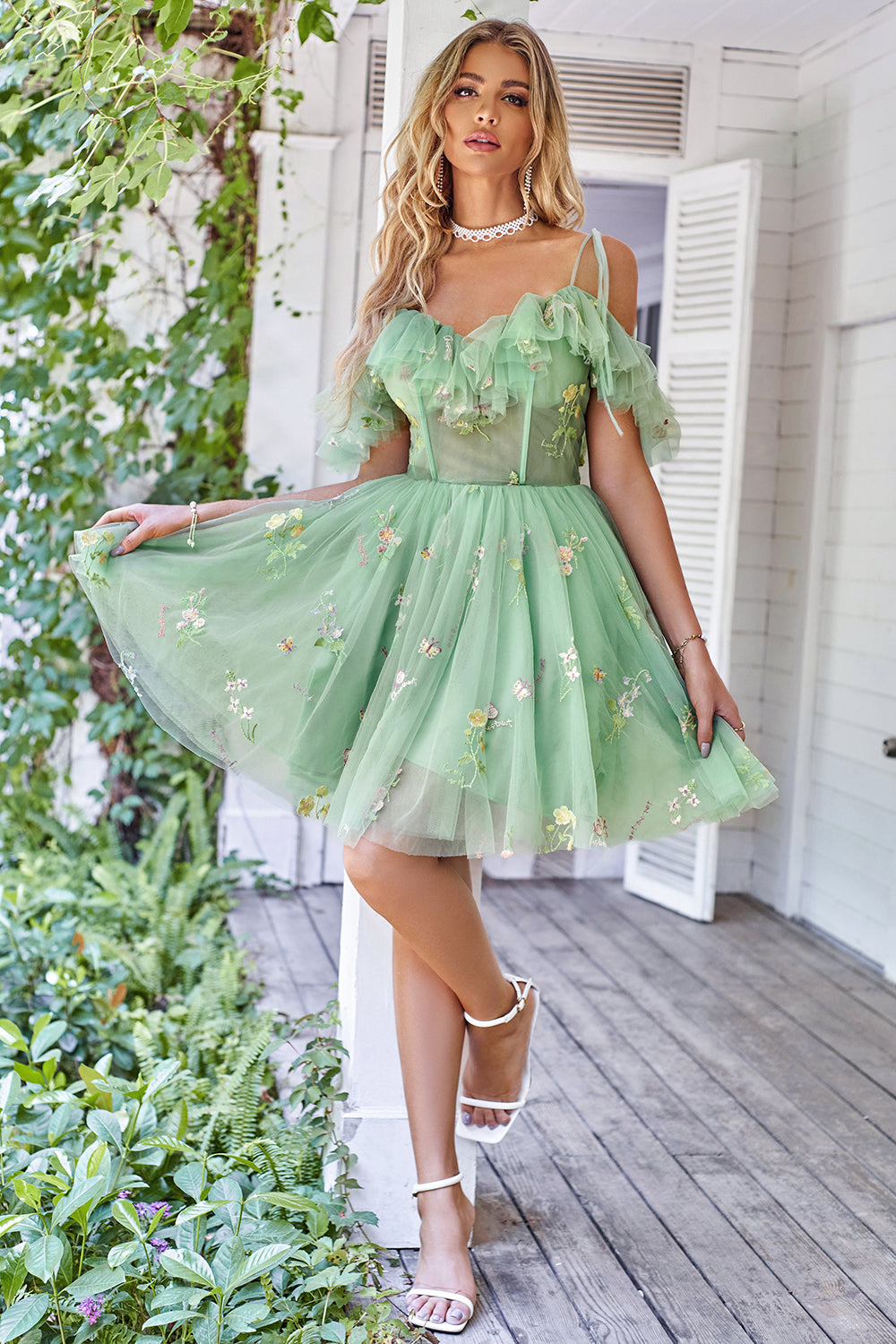
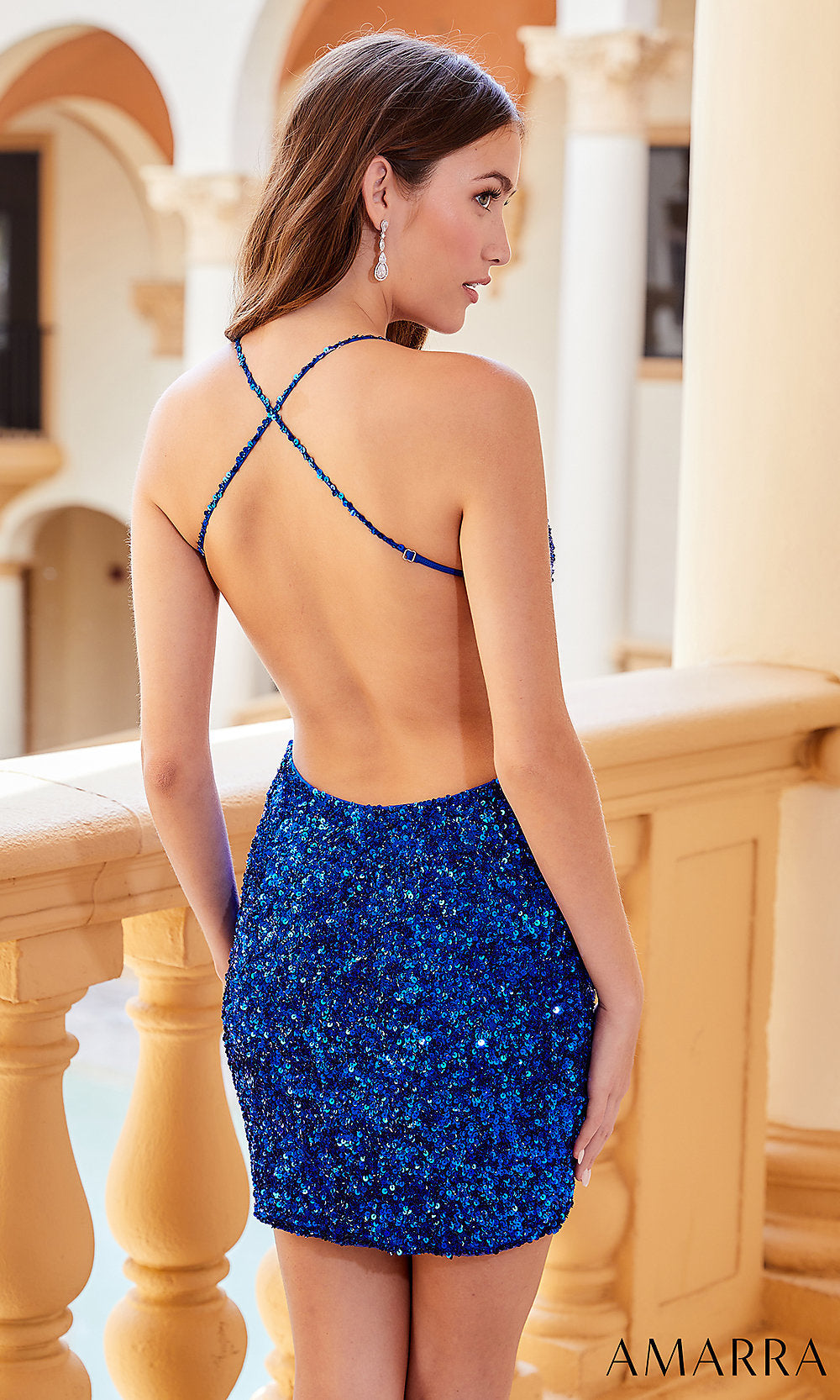
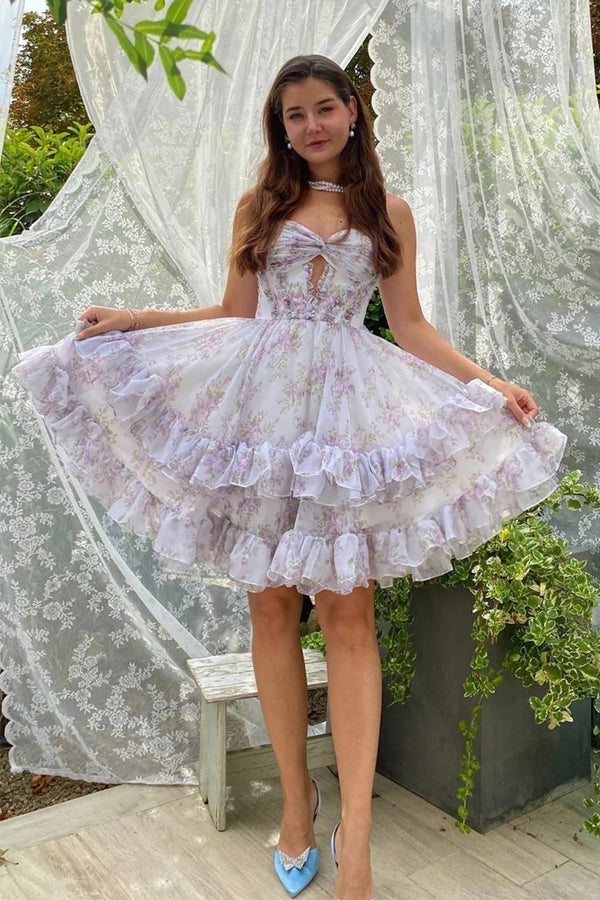
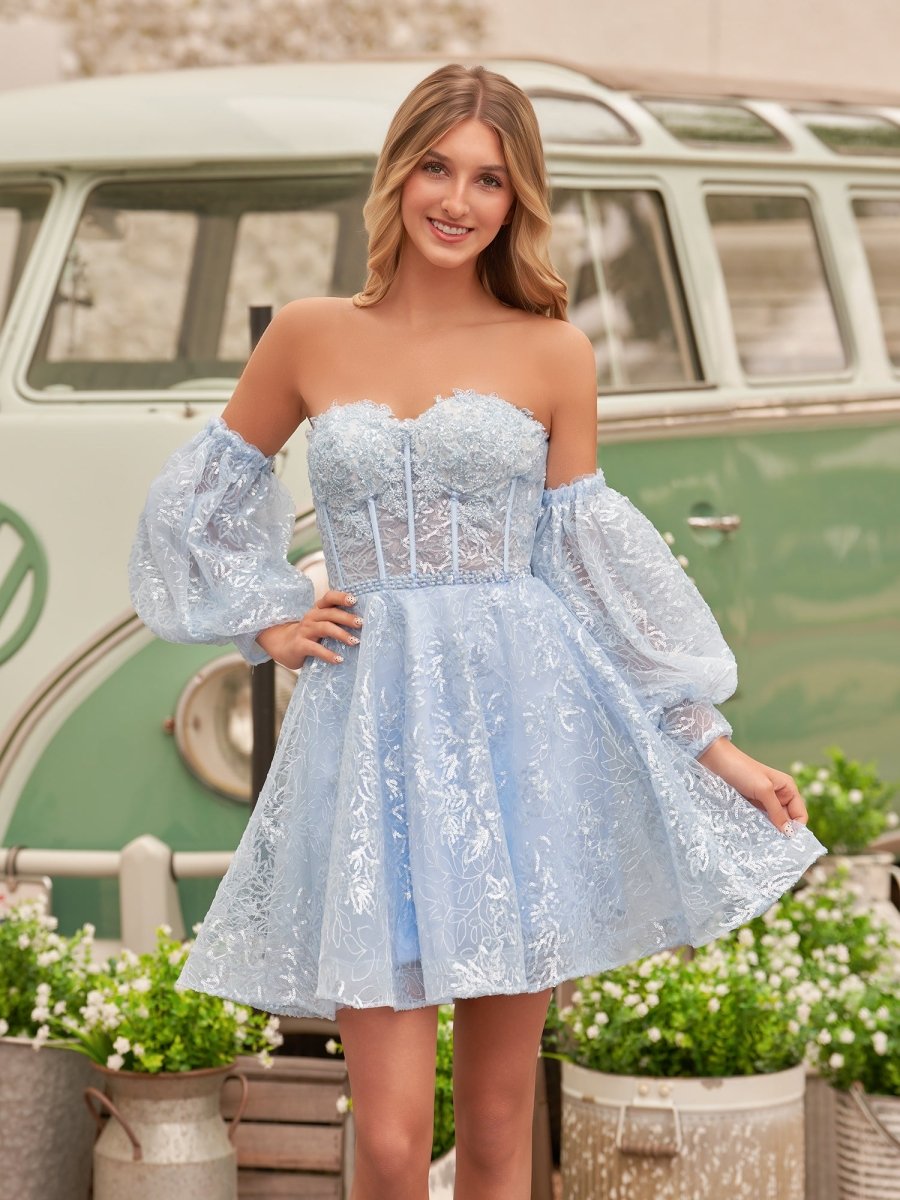
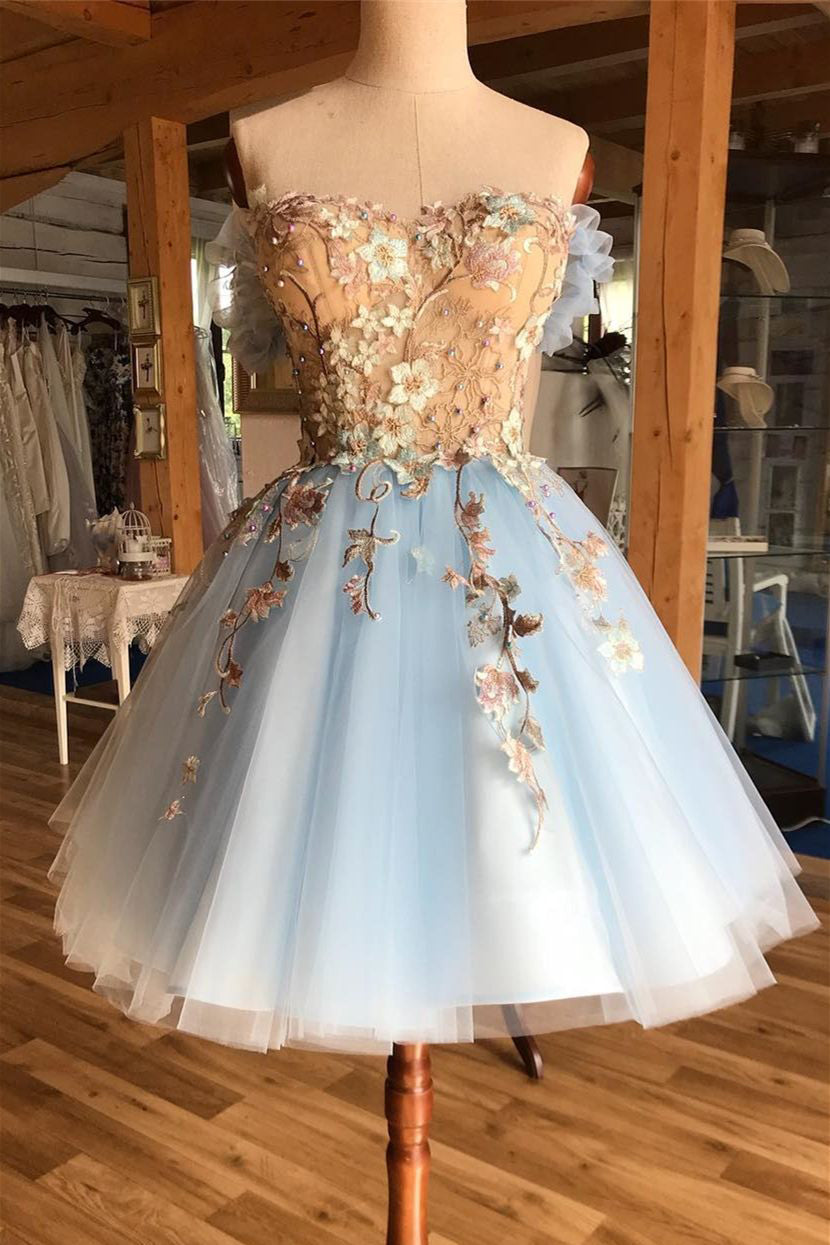
mermaid bridal dress Unique Illusion Neckline Lace Wedding Gown with S V-neck wedding dresses 0 to 24 Occasions Black and White Dresses Color:White Silver
Black and White Dresses for Women Over 50
This recipe has a bright, citrusy base of lemon, sugar, and water, boiled into a flavorful thick syrup, blended with good olive oil, bold-grated onions, and then ketchup to make it creamy
V-neck wedding dresses
Color:White Silver
Characteristics and Features of Each Type Non-Adhesive Foam Dressings: Gentle and non-traumatic to the skin Suitable for sensitive or delicate wounds Absorbent and provides excellent exudate management Adhesive Foam Dressings: Securely adheres to the skin, minimizing the risk of displacement Provides a barrier against external contaminants Facilitates easy application and removal Silicone Foam Dressings: Gentle silicone adhesive minimizes skin trauma during removal Conforms closely to the wound site for optimal sealing and absorption Helps maintain a moist wound environment conducive to healing Borderless Foam Dressings: Conforms closely to wound contours without causing skin irritation Provides flexibility and comfort for the patient Absorbent and effective in managing exudate Antimicrobial Foam Dressings: Incorporate antimicrobial agents to reduce the risk of infection Promote a clean wound environment and support healing Suitable for wounds at risk of infection or those with bacterial colonization Considerations for Selecting the Appropriate Foam Dressing When selecting a foam dressing, several factors should be considered, including: Wound type, size, and location Amount and type of exudate produced The patient's skin condition and sensitivity Presence of infection or risk factors for infection Clinician's preference and experience with specific dressing types By considering these factors and consulting with healthcare professionals, clinicians can choose the most appropriate foam dressing to optimize wound healing outcomes and patient comfort
0 to 24 Occasions